
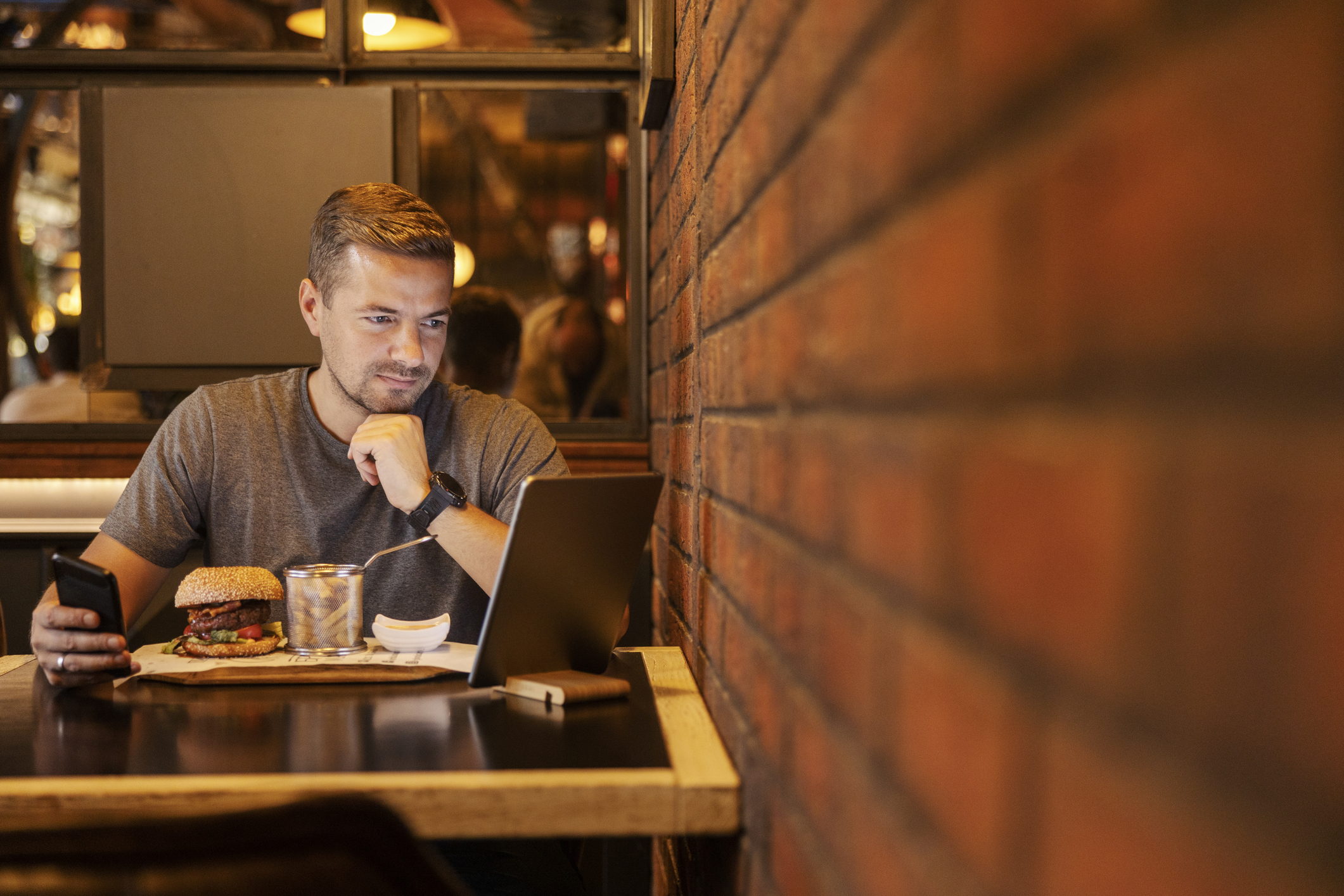
For decades, restaurants were designed around one assumption: people dine in groups such as families, date nights, birthday parties, requiring big booths and even bigger tables. However, when you walk into a modern restaurant today you’ll see something different:
- Solo guests eating comfortably at the bar
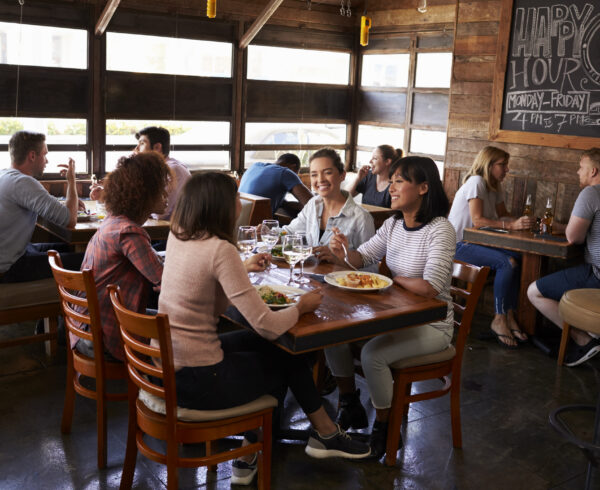
- Friends sharing a long communal table
- Digital nomads working through lunch
- Small parties rotating in and out quickly
The dining room is evolving and operators who recognize this shift can turn it into a serious revenue advantage.
Dining Alone Is No Longer seen as “Sad,” It’s Strategic
Gen Z and Millennials have redefined solo dining. For them, eating alone isn’t awkward, it’s efficient, independent, and sometimes even preferred.
Today’s solo diners are:
- Working remotely
- Grabbing a quick meal between errands
- Treating themselves
- Avoiding crowds or large gatherings
They want:
- Speed
- Comfort
- Personal space
- Tech-enabled convenience
If your layout or service model still assumes every guest is part of a four-top, you could be leaving money on the table.
Communal Tables: Social Energy Without Commitment
Flexible Seating = Flexible Revenue
On the flip side, communal dining is also growing, especially among younger guests who value shared experiences over formality.
Communal tables:
- Increase seating efficiency
- Reduce wait times
- Create natural buzz and energy
- Encourage impulse ordering (shared plates, drinks, desserts)
Here’s the catch: communal dining only works if your restaurant operations are tight. High table turnover and dynamic seating require smooth service flow, clear communication, and real-time labor adjustments.
How to Adapt Your Layout (Without Renovating the Whole Space)
1. Create Flexible Seating Zones
You don’t need a full remodel to adapt. Consider:
- High-top counters for solo diners
- Convertible two-tops
- Long tables that can flex between group and communal seating
- Bar seating that doubles as a quick-service area
The goal is adaptability.
When your dining room supports multiple party sizes efficiently, you increase throughput, especially during peak hours.
Menu Strategy for Solo and Communal Guests
Solo-Friendly = Profitable
Solo diners often:
- Order faster
- Turn tables quicker
- Add impulse items like appetizers or drinks
Offer:
- Half portions or curated solo combos
- Lunch-sized entrée options
- Easy add-ons at checkout
Behind the scenes, your restaurant inventory must support portion flexibility. QSROnline helps track ingredient usage so offering smaller or varied portion sizes doesn’t blow up your food cost.
Shareable Menus Boost Check Averages
Communal diners gravitate toward:
- Shared plates
- Appetizer samplers
- Pitchers or bottle service
- Dessert boards
This is where smart forecasting and labor scheduling matter. If your kitchen isn’t staffed properly for higher-volume shared plate prep, service slows, it doesn’t matter what kind of customer you are, nobody likes slow service.
QSROnline’s restaurant labor scheduling tools help you forecast peak dining patterns and adjust staffing to match the new flow.
Restaurant Technology Is Quietly Powering the Shift
Solo Diners Love Self-Service Options
Kiosks, QR menus, and mobile ordering appeal heavily to solo guests who:
- Prefer speed
- Want minimal friction
- Enjoy autonomy
Restaurant technology makes this seamless, but only if the backend supports it.
QSROnline connects labor scheduling, inventory, and reporting so your front-of-house tech doesn’t overwhelm your team.
Data Helps You See the Shift in Real Time
Instead of guessing whether solo dining is trending in your location, look at your data:
- What’s your average party size by daypart?
- What’s your table turnover time for 1–2 tops?
- Are communal tables increasing check averages?
With centralized restaurant operations tools, you can analyze trends and adjust proactively.
Labor Scheduling for a New Dining Flow
The Old Model: Staff for Large Parties
The New Model: Staff for Movement
Smaller parties mean:
- Faster turns
- More check splits
- Higher volume of transactions
- More micro-interactions
Your labor scheduling needs to reflect that.
QSROnline helps managers:
- Schedule based on sales trends, not assumptions
- Monitor labor-to-sales ratios in real time
- Adjust quickly when demand shifts
Marketing to the New Dining Culture
Speak Directly to Solo Diners
Instead of marketing only “family meals,” try:
- “Treat Yourself Tuesdays”
- Solo lunch specials
- Work-from-here Wi-Fi promos
- Loyalty perks for frequent individual visits
Highlight Social Dining for Groups
For communal energy:
- Promote shared plates
- Host themed long-table events
- Encourage social media engagement
The dining room isn’t just a space anymore, it’s a social experience.
Design for How People Actually Eat Today
Restaurants that cling to outdated assumptions about guest behavior struggle.
Restaurants that evolve? They profit.
Communal tables and solo diners aren’t trends, they’re reflections of how culture is shifting. If your restaurant operations, restaurant technology, and labor scheduling align with this new reality, you can:
- Increase seating efficiency
- Boost average checks
- Improve table turnover
- Enhance guest experience
- Reduce operational stress
The Dining Room Is Changing, Are You?
Gen Z doesn’t need a booth for four to feel welcome. They need flexibility, speed, and intentional design.
The operators who adapt their layouts, menus, and systems to meet these guests where they are will see stronger margins and better retention.
QSROnline supports your restaurant operations behind the scenes, so you can evolve confidently, without chaos.
Schedule a demo with QSROnline and see how smarter scheduling, inventory control, and reporting tools support the way guests actually dine today.